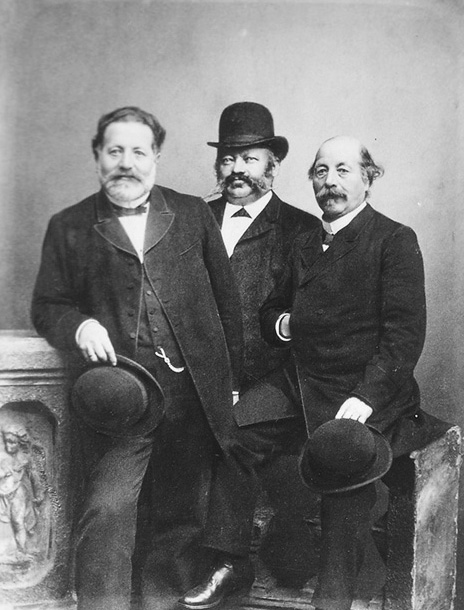
In 1862, the three Swiss brothers Bernhard, Christoffer and Nutin Cloëtta founded The Cloetta Brothers (original Danish: Brødrene Cloëtta) in Copenhagen, Denmark, where they began producing chocolate and confectionery.
1862
In 1873, the brothers established Sweden’s first chocolate production facility in Malmö. Many of the foremen were specialists from Poland, Spain, England, Germany and Russia, bringing with them new recipes and techniques - many of which were introduced to Sweden for the very first time.
1873
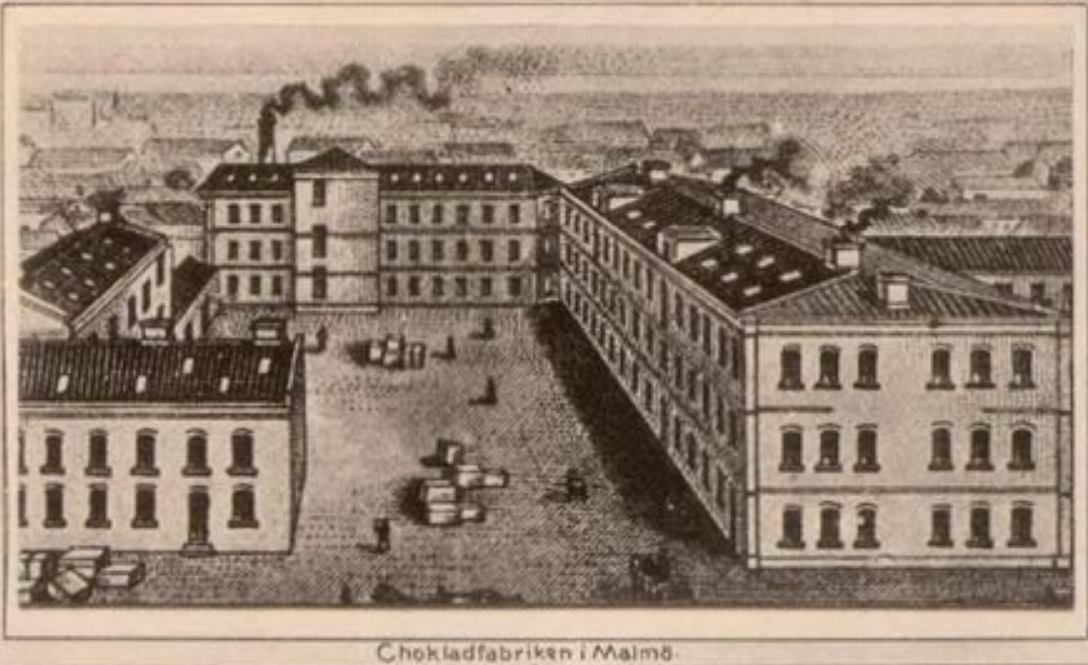
In 1878, Gerrit van Voornveld founded Venco in Amsterdam, producing liquorice and peppermint pastilles. Today, Venco is Cloetta’s oldest brand.
1878
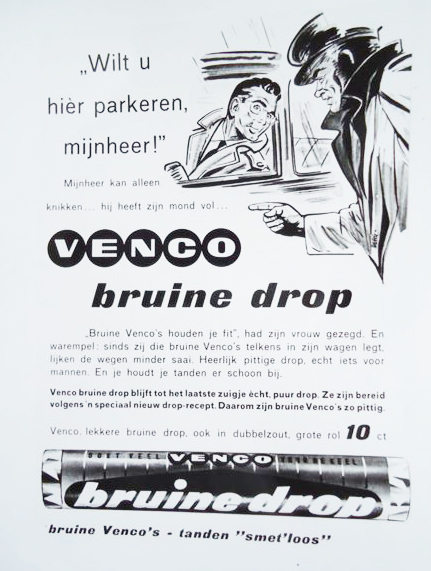
In 1885, the company F. Ahlgren, a chemical‑technical enterprise, was founded in Gävle, Sweden. Initially focused on chemical‑technical products, its range soon expanded to include perfumes, medicines, ink and eventually confectionery, laying the foundation for several well‑known brands that remain part of Cloetta’s portfolio today.
1885
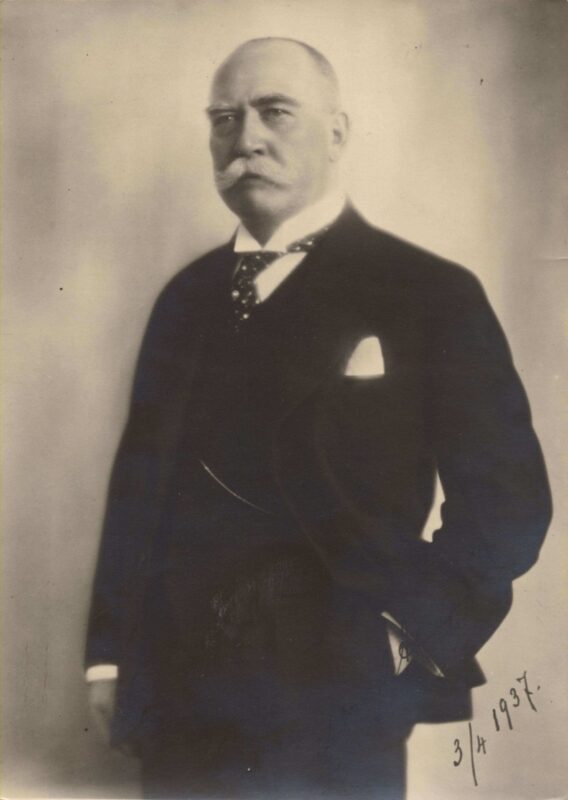
In 1902, Cloetta relocated production from Malmö to Ljungsbro, Sweden. Over time, Ljungsbro developed into a company town centred around Cloetta’s operations, with housing, childcare and healthcare facilities established for employees. Even the street names reflected the company, its owners and its products.
1902
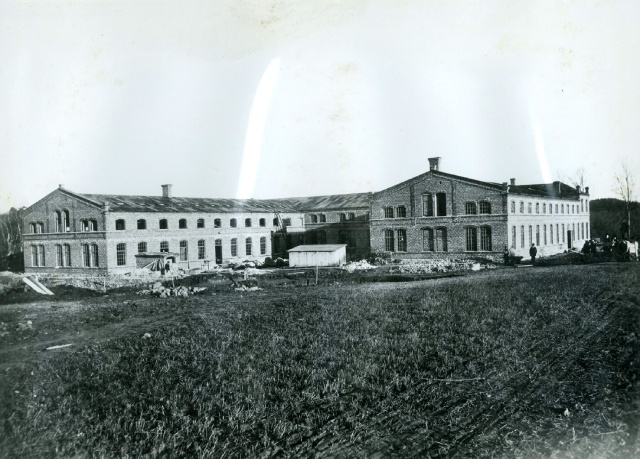
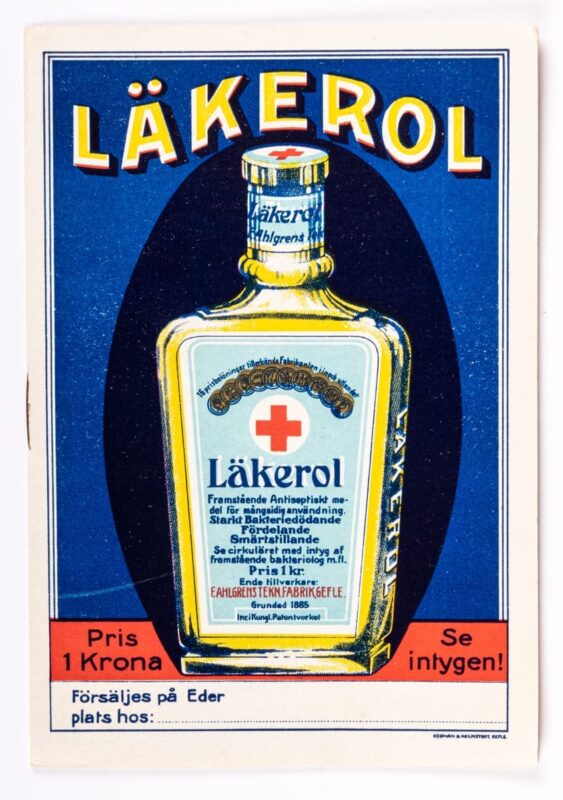
Adolf Ahlgren visited the Leipzig Fair and returned home with a throat lozenge that he subsequently introduced in Sweden. The pastille, named Läkerol - from the Swedish word läker, meaning “heals”, and borrowed from another product in his range - quickly gained popularity, and the following year exports commenced to Denmark, soon followed by Norway and Finland.
1909
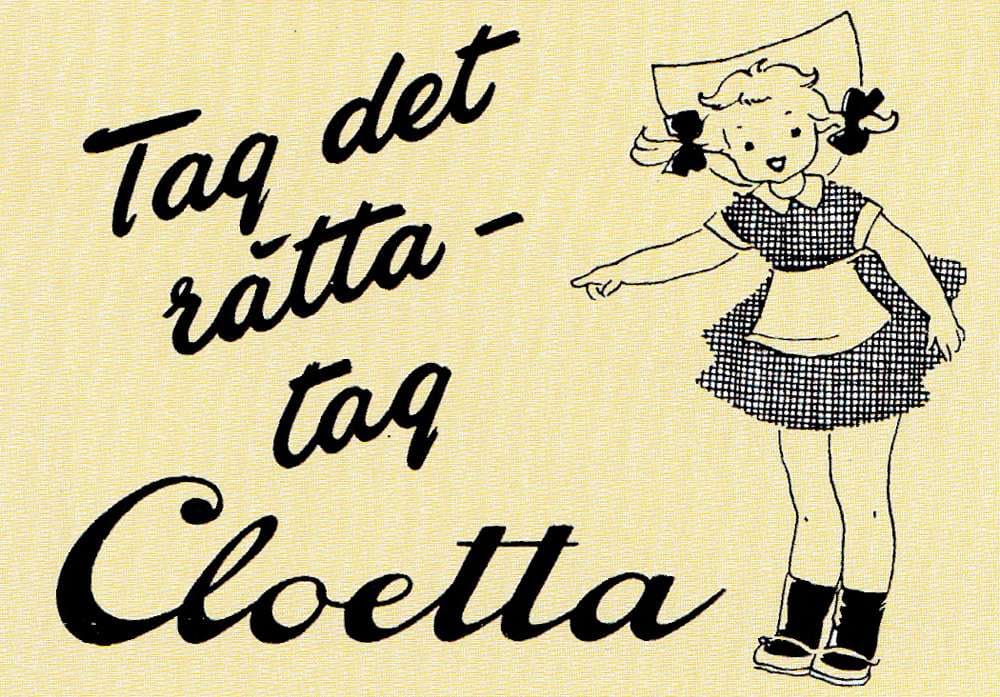
In 1921, the slogan Tag det rätta – Tag Cloetta (English: Choose the right one – choose Cloetta, which rhymes in Swedish) was coined and became one of Sweden’s most iconic advertising phrases. Around the same time, the Cloetta Girl - dressed in a blue chequered dress and white bonnet - was introduced as a long‑standing brand symbol.
1921
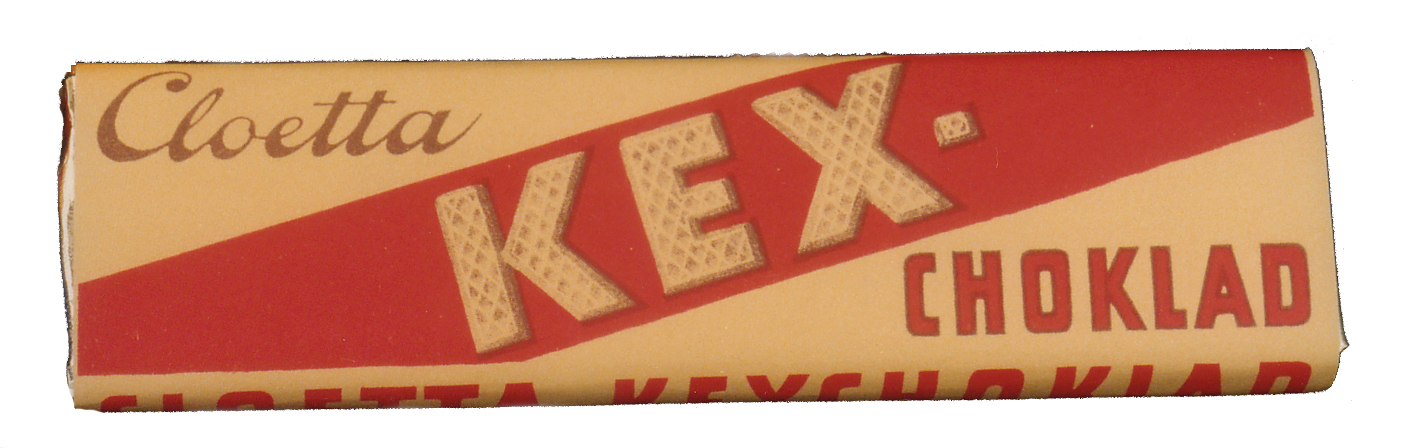
In 1921, Kexchoklad (English: wafer chocolate) was introduced in Sweden under the name Five o’clock Kexchoklad, positioned as an afternoon snack. In 1938, the product was renamed Kexchoklad. It has since become closely associated with energy and an active lifestyle, recognised by its chequered wafer pattern and the slogan Go’ och glad, Kexchoklad (English: Tasty and happy – Kexchoklad).
1921
In 1934, Sweden’s first speciality liquorice factory, Malmö Lakrits Compani, began operations in Malmö. The company produced a wide range of liquorice products, including pipes and strings, as well as many popular brands such as Zoo, Pim Pim and Lauantai, which remain part of the assortment today. The brand later became known as Malaco, derived from the initial letters of Malmö Lakrits Compani, and is still recognised under that name.
1934
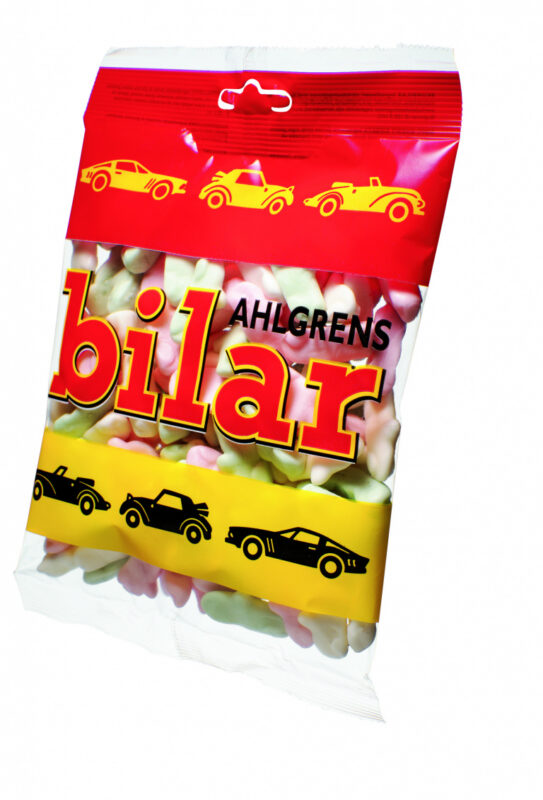
In 1953, Ahlgrens Bilar - Sweden’s best‑selling “car” - was introduced by F. Ahlgren. Initially sold individually, the product was soon launched in bags. While the packaging has evolved, the cars themselves have retained their distinctive taste, texture and design.
1953
Chewits appear in the shops for the first time - And they’re one of the only chewy sweets around.
1965

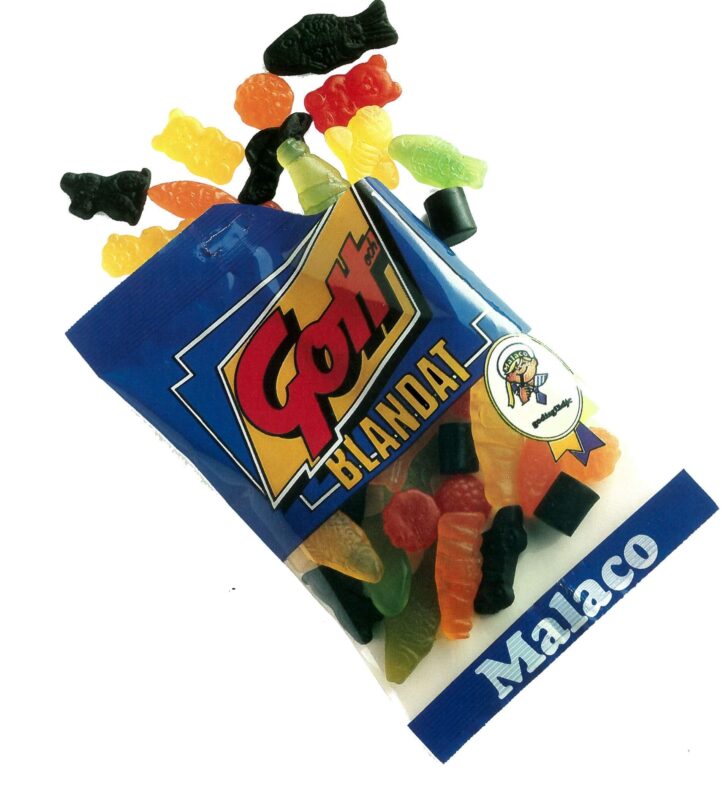
In 1979, Gott & Blandat was launched in Sweden. Originally created from leftover confectionery in production, the mix consisted of 50-100 kilos of assorted pieces remaining after packaging pick‑and‑mix sweets. These were combined and packaged, giving the product its name. The production manager referred to it as a “living mix”, as the contents could vary significantly from batch to batch. Today, the mix follows precise recipes yet still lives up to its name.
1979
In 2000, Cloetta merged with the Finnish company Fazer Confectionery to form Cloetta Fazer, becoming the largest confectionery company in the Nordic region.
The companies separated in 2008. In 2012, Cloetta merged with the Dutch company LEAF, bringing together brands such as Läkerol, Malaco and Sportlife. The new company gained a significant international presence, and its headquarters were established in Stockholm, Sweden.
2000
The Jelly Bean Planet was founded in Dublin, Ireland in 1998 by a father and son duo who dared to be different. Peter and Richard Cullen had one guiding principle; to bring the finest and most natural flavors to people around the globe. In 2014, The Jelly Bean Planet was acquired by Cloetta, and the rest, as they say, is history.
2014
In 2017, Cloetta acquired Karamellkungen, which was subsequently renamed CandyKing. Today, CandyKing is the industry‑leading pick‑and‑mix brand in Europe, with global growth ambitions. CandyKing has created a unique space where consumers can select their own mix of favourites and novelty items from a colourful assortment of shapes and flavours.
2017